Welcome to Rotary Youth Exchange District 5190, California - Nevada
Statement from Rotary International
As a global network that strives to build a world where people unite and take action to create lasting change, Rotary values diversity and celebrates the contributions of people of all backgrounds, regardless of their age, ethnicity, race, color, abilities, religion, socioeconomic status, culture, sex, sexual orientation, and gender identity. Rotary will cultivate a diverse, equitable, and inclusive culture in which people from underrepresented groups have greater opportunities to participate as members and leaders.
Rotary Youth Exchange Students
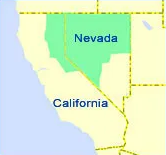
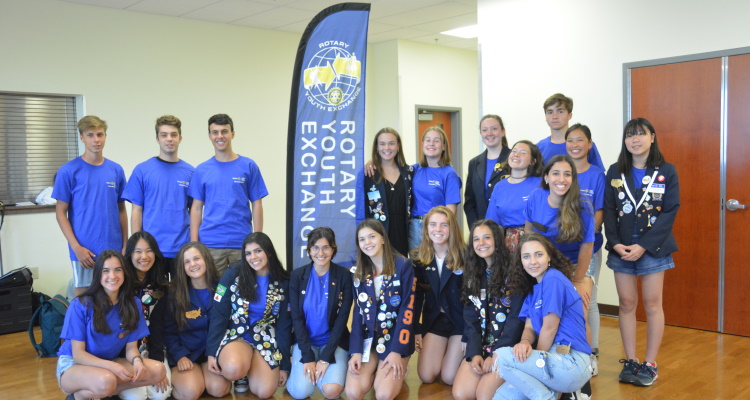
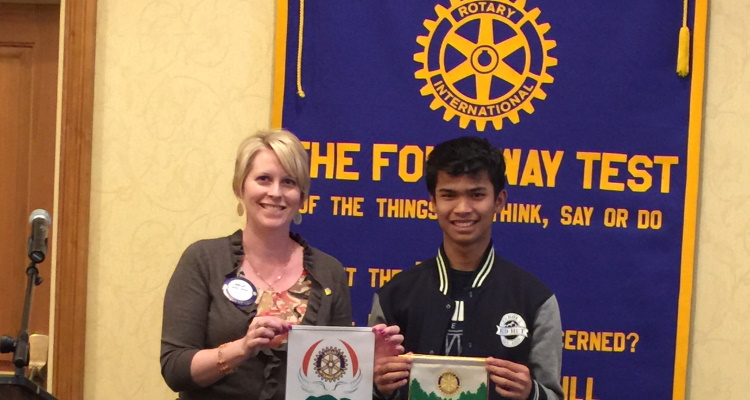
Rotary District 5190, located in northeastern California and Northern Nevada, is an active participant in the world wide Rotary Youth Exchange Program. The Short Term and Long Term Youth Exchange programs provide students 15 to 18 1/2 years old with an opportunity to live in a foreign country with a host family or families and experience the culture of the host country while serving as an ambassador for their home country. Long Term Exchange students spend 10 - 12 months living with host families and attending high school. The Short Term program is a 6 - 8 week family-to-family program in which two students in two countries are paired with each other and they each host the other student for 3 - 4 weeks.
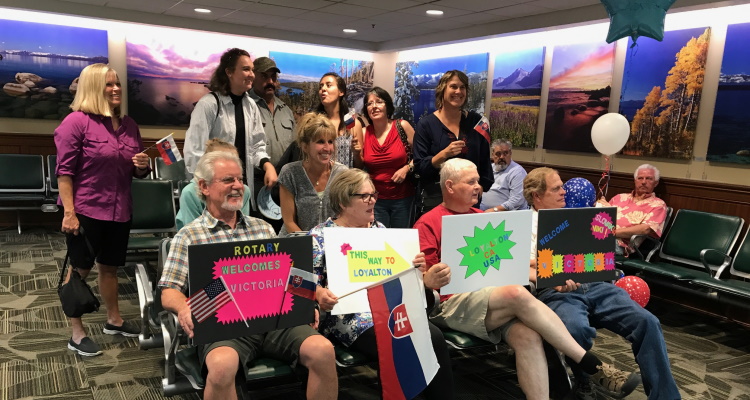
The Rotary Youth Exchange program provides thousands of young students from around the world with the opportunity to meet people from other countries and to experience new cultures, planting the seeds for a lifetime of international understanding. Exposure to different cultures ranks as one of the most powerful ways to promote international understanding and peace. The program offers numerous benefits to its young participants and their Rotarian hosts and mentors, as well as to the community at large. Through Youth Exchange, students learn firsthand about all aspects of life in another country. As their concept of the world expands, they mature and develop a deeper understanding of themselves. Immersion in another country's educational system enhances their academic and personal growth. Host clubs and families and the entire community are enriched by extended, friendly contact with someone from a different culture.
Student Selection
It is standard practice for local Rotary districts and clubs to screen youth interested in the program by using detailed applications and interviews. This process helps ensure that only highly responsible and mature students are sent on an exchange. Generally, students are selected based on the following criteria:
- Scholastic record
- Linguistic ability
- Community involvement
- Potential as a cultural ambassador
- Age
If you are interested in becoming a Rotary Youth Exchange student, please contact us at Rotary District 5190 by sending email to: info@rye5190.org.
What is Exchange?
Exchange is change. Rapid, brutal, beautiful, hurtful, colourful, amazing, unexpected, overwhelming and most of all constant change. Change in lifestyle, country, language, friends, parents, houses, school, simply everything. Exchange is realizing that everything they told you beforehand is wrong, but also right in a way.
Exchange is going from thinking you know who you are, to having no idea who you are anymore to being someone new. But not entirely new. You are still the person you were before but you jumped into that ice cold lake...
Testimonials
A Rotary blazer is the heaviest article of clothing you can wear. Yes, it's covered in hundreds of pins from almost as many countries, and yes, you definitely don't want to put it in your checked bag if you're cutting it close on the weight limit, but the real weight of a Rotary blazer isn't in the things pinned to it. Wearing that blazer is an honor, bestowed only on those who were brave enough to jump head-first into the unknown. The pins were collected through meeting people from places far different from your home, and from going to places you'd never even imagined. The weight of all these people and places grows heavier and heavier with each new person and experience, and it all comes rushing back the moment you put on that blazer. And this is the heaviest part. You don't know if you'll ever see these people again, or visit these places. You don't know if you'll ever again be the person you were when your blazer was empty. But if you wear a Rotary blazer, it means you're strong enough to carry the weight. It means you've said goodbye to the greatest friends you've ever made, and you kept going. It means you left a place that you learned to love, and you kept going. It means that you learned a new culture, a new language, a new way of life, and that is a weight that you will carry with you forever.
The exchange is going very well; my mandarin is slowly improving, though at first the accent was a little difficult to get past. It seems almost as if it is easier to adjust here because there is so much that is unfamiliar, it is almost as if I stepped out of my old life and into a completely new one. Once I decided to live nearly totally as they do, as far as eating, drinking, and trying to imitate as much of their actions as possible, without trying to bring any American culture until I can become a full part of this one, it was easy to slip into how they live on a daily basis. Every day I get a few new surprises, most of them food, and there is a substantial language barrier, but for now I feel that I can easily finish my adjustment to Taiwan. I like Taiwan more than I thought I would, and it truly deserved to be my number one choice.
I consider the last six months of my life the best to date. Really. I have seen so much I have trouble believing it myself. But what’s even greater, is the fact that I have another five to top it off! I owe many heartfelt “thanks” to the Rotary Clubs of Pollock Pines/Camino and Placerville and District 5190; you guys have really made me one happy exchange student.
Hey Guys -- I'm really sorry that I haven't sent any news since I've been back but I simply didn't have the time because I went on vacation almost right away, without Internet. Well I'm glad everybody is doing well. Here nothing has changed but I see it differently. I miss the US so much, especially my host families and, of course, you guys that sometimes it's hard to realize that this year is over and belongs to the past. Of course we'll go back someday but nothing is going to be the same. Sometimes I just think about all the great things that happened to me this year, the wonderful people I had the chance to meet and there's no easier way to put a smile on my face. I really hope I'll see you guys again in the future and if not I want to thank you just for being a part of the best year of my life.
Upcoming Events
Outbound Exchange Student Preliminary Applications Due
Oct 17, 2025Outbound exchange applications presented to Rotary Club for consideration.
Rotary Club club will submit preliminary application to the RYE District Committee.
Nevada Day Weekend for Inbound Students
Oct 31, 2025 @ From Friday (10/31) - Sunday (11/2)Nevada Day is the day we became a state in 1864. This year it is 158 years since Nevada became a state! It is celebrated with a parade and other fun events here in Carson City, Nevada’s capital city.
The weekend includes:
- a party for RYE students on Friday evening
- participating in Nevada Day Parade, visit to the Governor's Mansion
- Meet with students who are interested in doing an exchange
Program Briefing Meeting for Long Term & Short Term Exchanges.
Nov 1, 2025 @ 11:00 am - 3:00 pm - Location: Carson City, NVBriefing meeting will be held for all interested students and at least one parent or guardian. The meeting will be held in a location not yet finalized from 11:00 am - 3: pm. This Briefing Meeting is for both students and parents.
Long Term Outbound Exchange Student Full Applications Due
Dec 1, 2025LTEP application submitted online by due date.
Inbound Holiday Weekend
Dec 5, 2025 @ Arrive Friday afternoon/evening, all day Saturday, and depart Sunday late morningThe inbound students will be hosted by the Rotary Clubs in Reno and Sparks for a weekend of holiday related activities.
Long Term District Outbound Candidate Interviews
Dec 13, 2025 @ 9:00 am Saturday December 13th Sunday December 14thLocation to be determined.
Inbound Winter Weekend & Inbound Orientation
Feb 6, 2026 @ Arrive late afternoon and depart on Sunday morningA weekend of winter activities and orientation. IB students will have the opportunity to meet the future outbound students. The location is Incline Village NV
Outbound Orientation #1
Feb 7, 2026This is a combined Long Term Exchange and Short Term Exchange Orientation. The location is Incline Village, NV.